Shared Professional Development Day 2026
Thank you for coming to our Philadelphia Music Education Collaborative Shared Professional Development Day.
Stay tuned for more information about the next event.
Info about the October 9, 2026 event
SCHEDULE
8:30 Arrival and Coffee/Tea
8:45 For School District Teachers: Arrival
9:00 – 9:45 Keynote
10:00 – 11:15 Session 1
11:15 – 11:45 Lunch (provided)
11:45 – 12:15 Lunch continues and Open Collaboration Opportunities
12:15 – 1:30 Session 2
1:30 – 2:15 For School District Teachers: Collaboration Block
Lead support for this project is provided by the
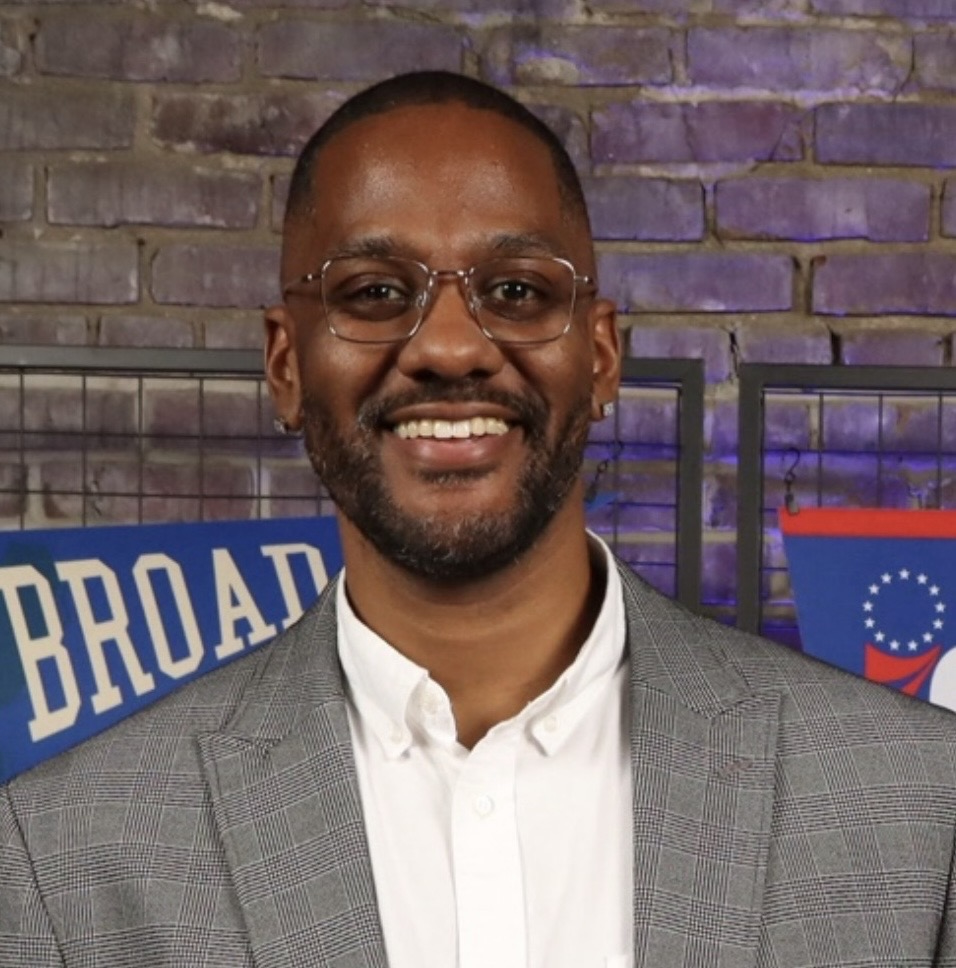
Keynote Presentation
Arts Educators at Work: Reimagining America’s Future Through Creativity and Humanity
Presenter: Mike O’Bryan, Founder and CEO of Humanature, Director of The Wealth and Work Futures Lab
Michael O’Bryan is a nationally respected strategist and social designer reshaping how institutions support human potential, economic mobility, and community wellbeing. He is the Founder and CEO of Humanature and Director of The Wealth and Work Futures Lab, leading efforts to reimagine workforce systems, leadership practices, and structural conditions shaping opportunity. Through humanature, Michael has partnered with public and private clients including NeighborWorks America, Future Standard, the Federal Reserve Bank of Philadelphia, HireAbility Vermont, and the Campbell Soup Foundation. Drawing from developmental science, organizational design, and systems thinking, he helps institutions translate values into measurable change and is known for making complexity actionable.
Michael has spoken at national convenings hosted by Comcast NBCUniversal, Jobs for the Future, the U.S. Conference of Mayors, and the National Skills Coalition. He co-authored Connected Community: A Trauma-Informed Community Engagement Toolkit and serves on the boards of The Samuel S. Fels Fund, The Union Benevolent Association, and The Philadelphia Cultural Fund.
—- Sessions —-
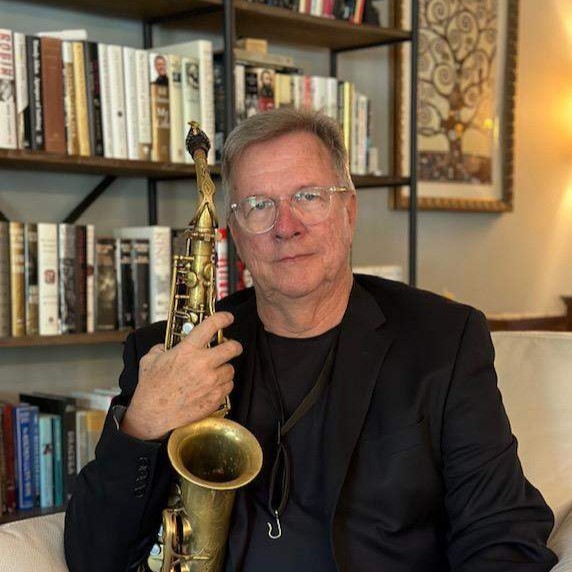
There’s A Ring When You Engage (Your Ensemble)
Presenter: Ron Kerber
Please bring an instrument if you can; we’ll be making music together! Whether your ensemble is a scheduled class or meets as an extracurricular, it is imperative that musicians are stimulated and engaged. We will explore creative rehearsal techniques and innovative ways to connect with students both on and off of their instruments.
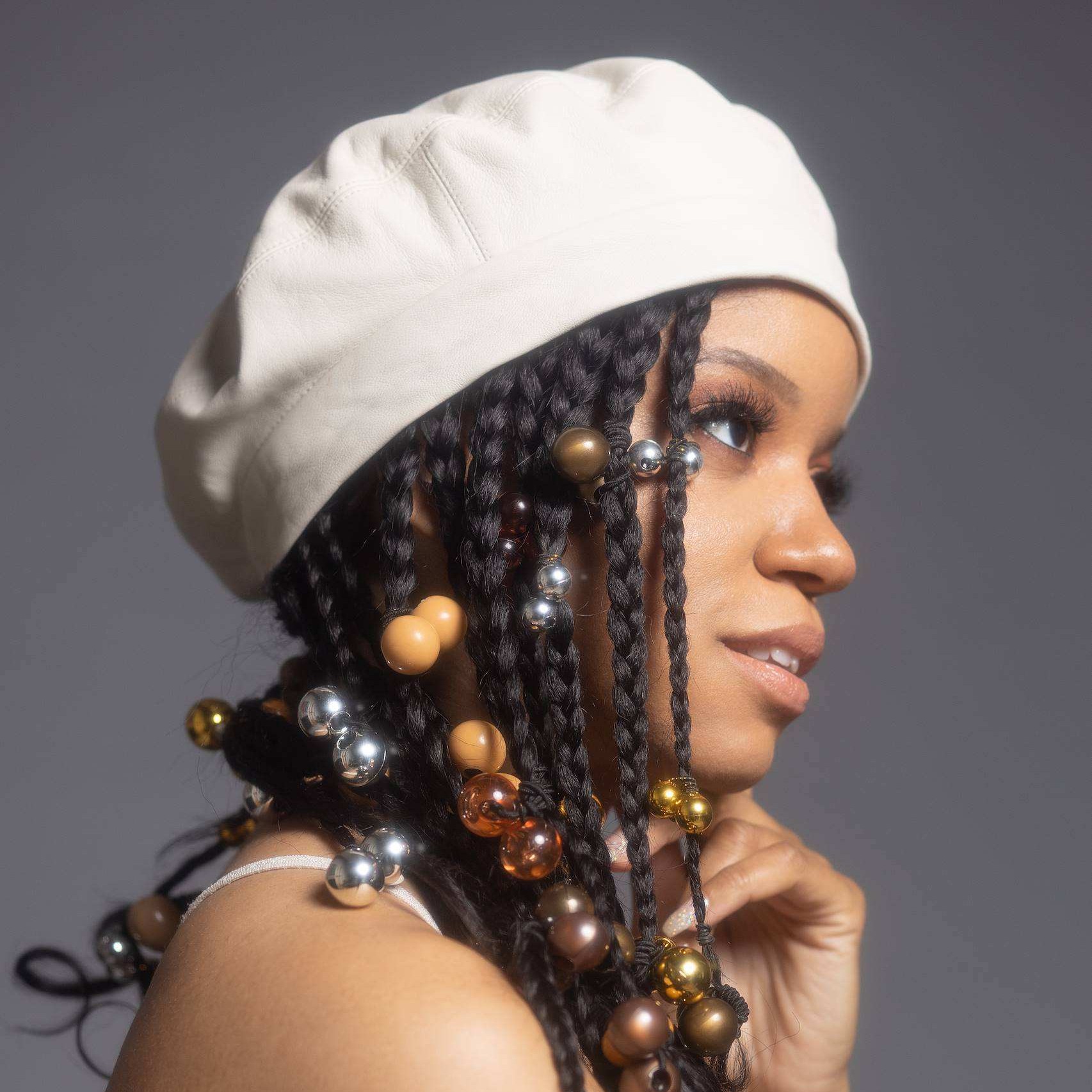
Write With Tyte: Soundtrap in the Classroom
Presenter: Kristal Oliver
Feeling intimidated by new music tech? This hands-on session breaks down Soundtrap—a browser-based DAW built for classrooms—into simple, teachable steps. Educators will get a clear walkthrough of the interface, learn how to navigate core features with confidence, and leave with quick, ready-to-use class project ideas they can implement right away. No music production background required.
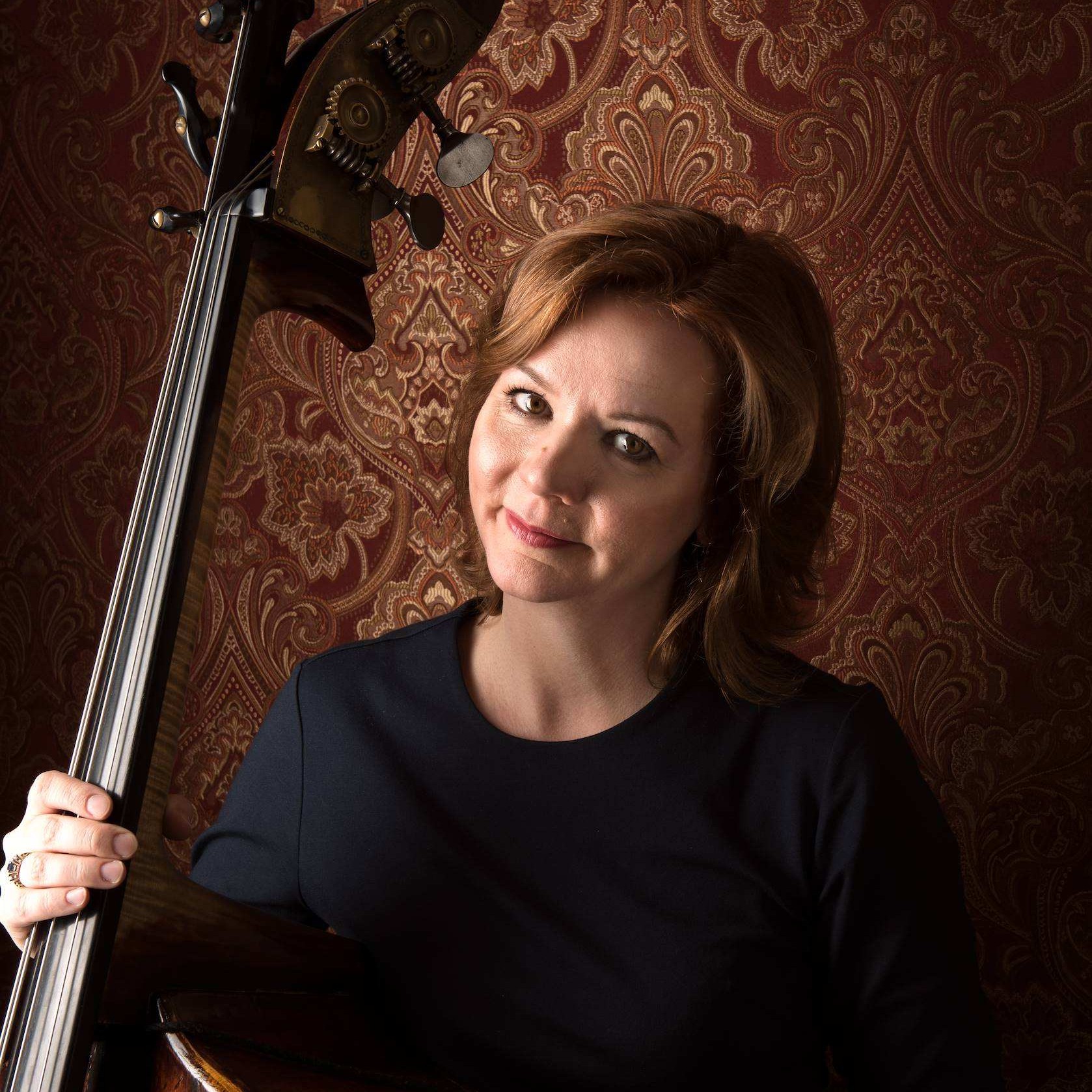
Values-Aligned Teaching and Sustainable Careers
Presenter: Mary Javian
This interactive session will focus on identifying and communicating your mission and goals as an educator and artist. Using resources from Springboard for the Arts and the Stanford Life Design Lab, you will reflect on your values as they relate to your teaching, craft artist/mission statements, and learn techniques for seeking inspiration and building professional networks that will sustain you as a person, artist, and educator.
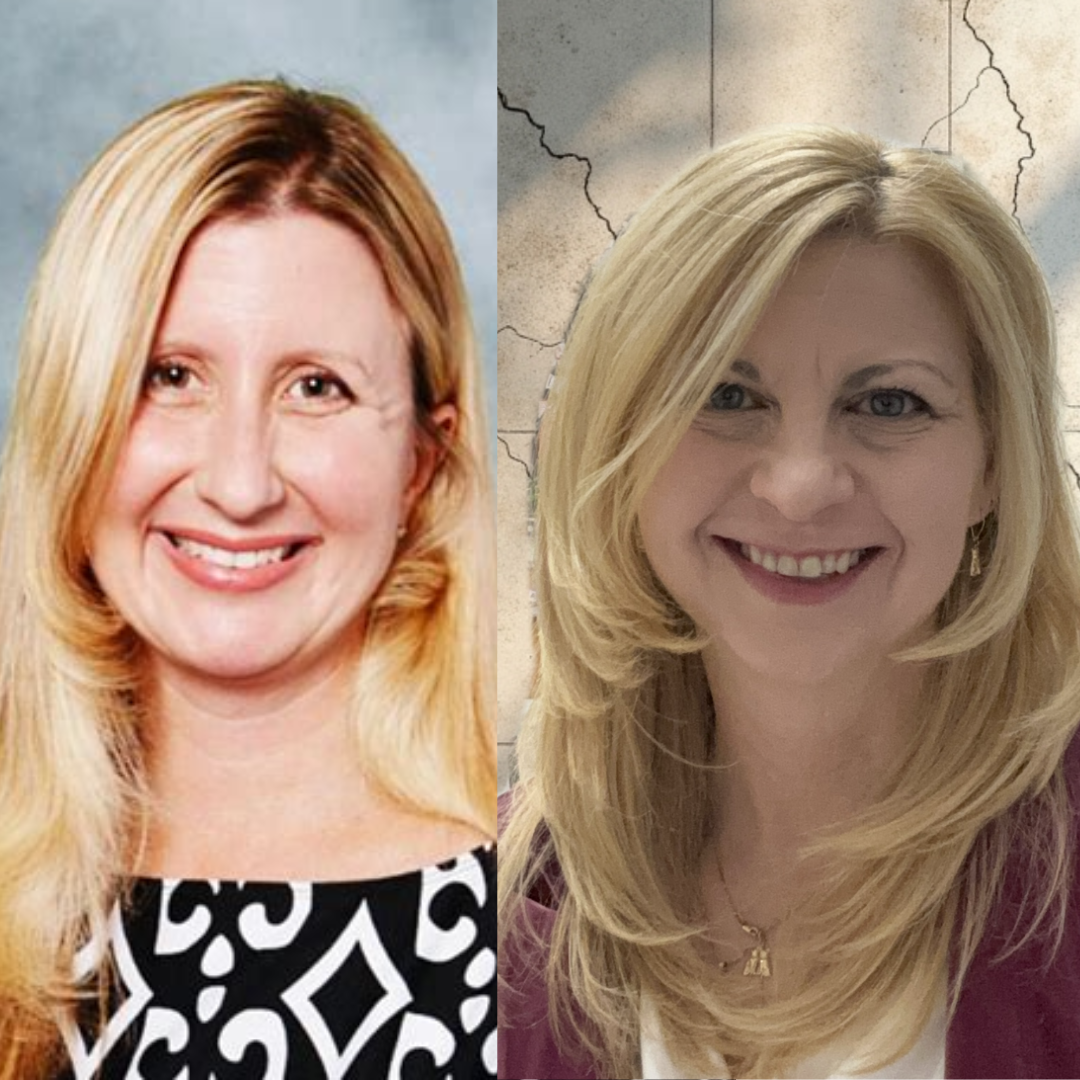
Jumping Through the Schulwerk
Presenter: Janie Vance and Becky Burdett
Janie and Becky will guide you through “The Story of Jumping Mouse,” using Orff Schulwerk Process. Through Orff media (speech, song, movement, instruments, body percussion), you will explore how to make this story come meaningfully alive in your classroom.
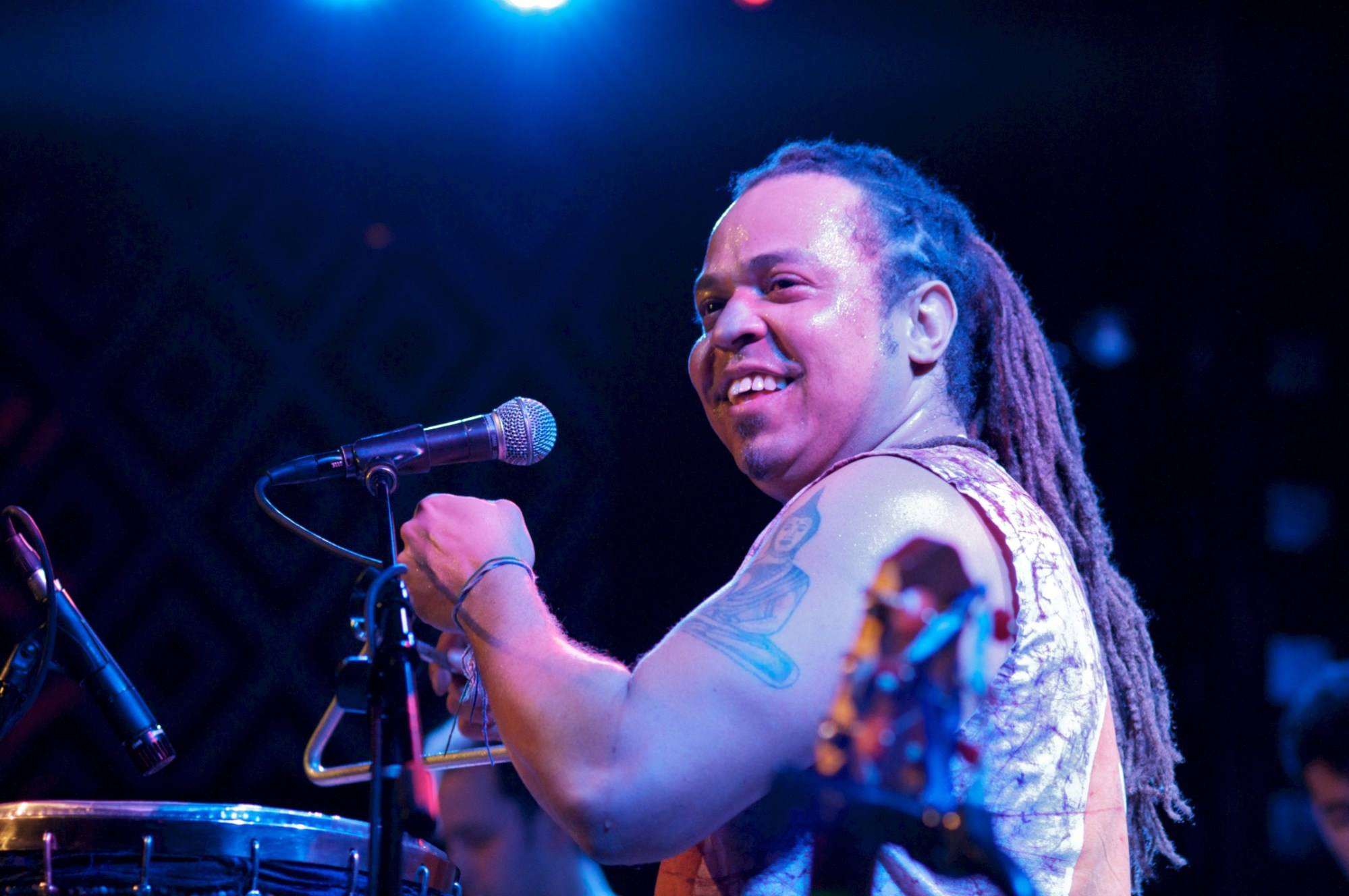
Afro-Brazilian Traditions Through Percussion
Presenter: Dendê Macêdo
Explore the vibrant rhythms and cultural traditions of Bahia, Brazil, through an interactive percussion workshop with master teaching artist Dendê Macêdo. Participants will learn foundational Afro-Brazilian rhythms while exploring their connections to history, community, movement, and cultural identity. Through hands-on music-making, call-and-response, and ensemble playing, educators will experience approaches they can adapt to engage students across grade levels. No prior musical experience is necessary—just a willingness to participate, listen, and make some noise!
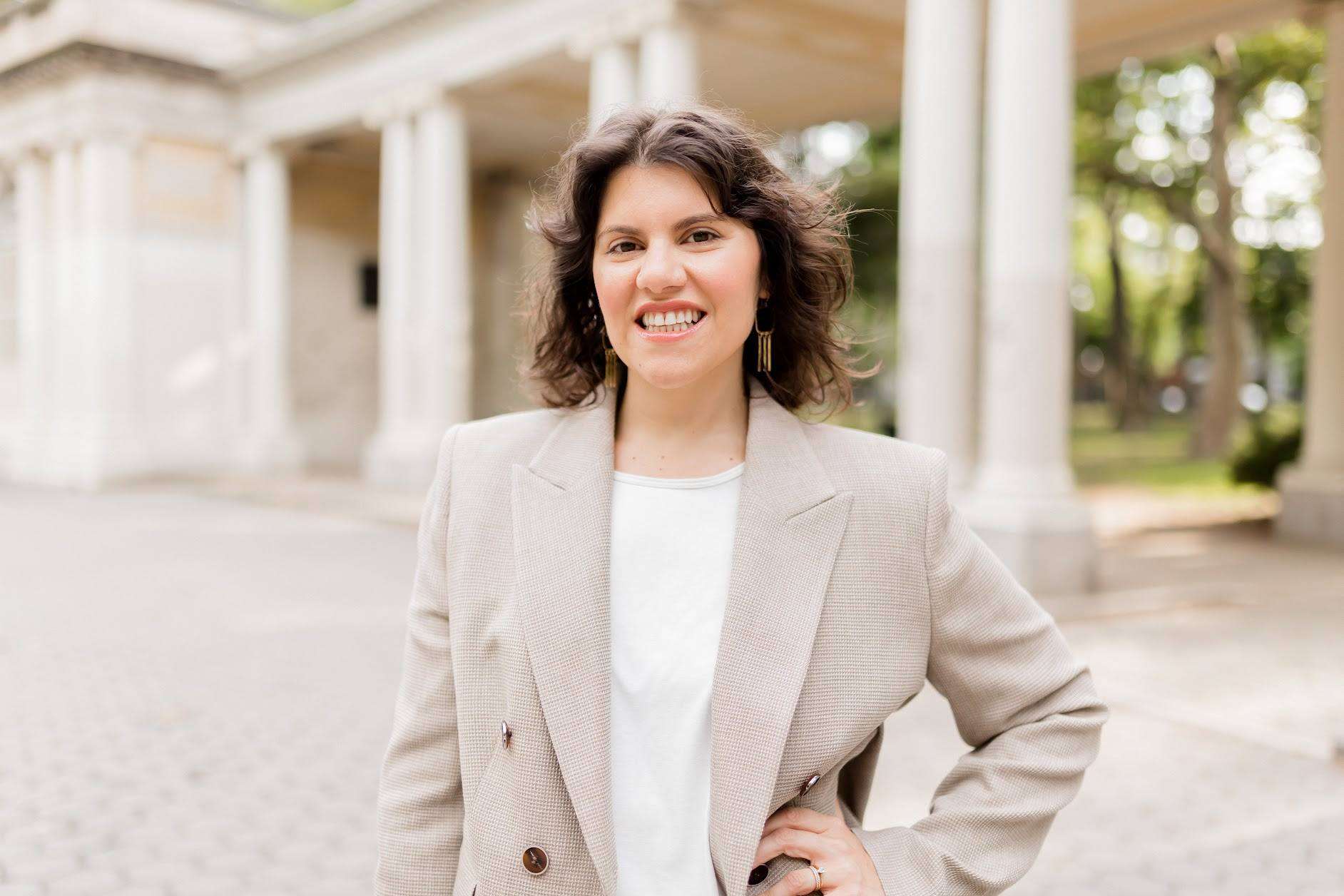
Harmonizing Differences: A Strengths-Based Approach to Neurodiversity for Music Educators
Presenter: Elyse Wilson
This interactive workshop guides participants in reframing neurodiversity and learning differences into musical assets, exploring how common diagnoses manifest in the music room as both unique strengths and distinct challenges. Together, we’ll explore how common student profiles such as ADHD, Dyslexia, and Autism Spectrum Disorder manifest in the music room, reframing potential hurdles such as sight-reading or sensory overload as powerful assets like hyperfocus and intuitive ear training. Through collaborative, hands-on scenarios across choir, orchestra, jazz, and modern band settings, you’ll learn differentiation strategies to bring to your classroom that maintain high standards while considering your students’ unique needs. You will walk away with a ready-to-use strategy toolkit and a curated resource guide you can put into direct practice in your very next rehearsal.
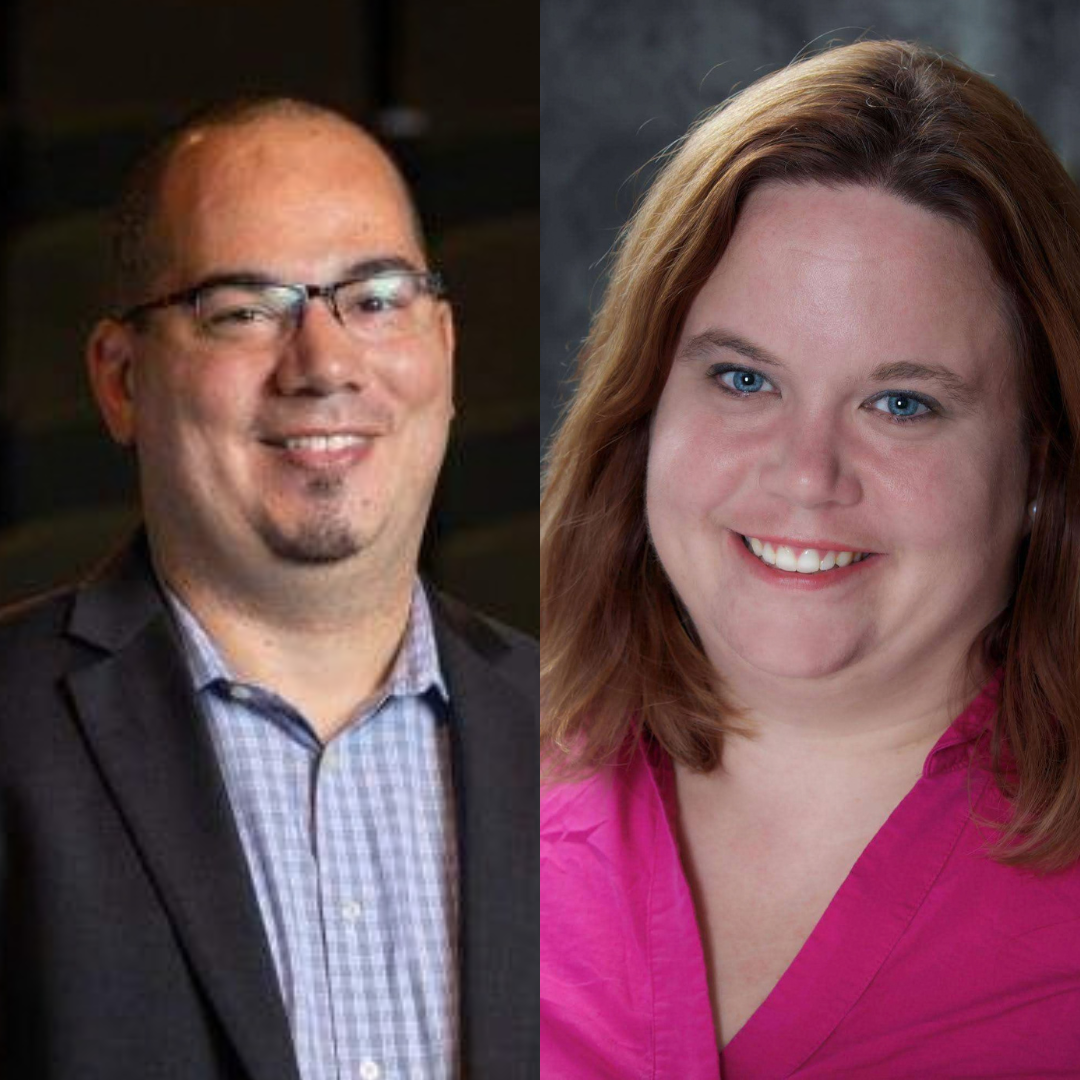
In Tune Together: Creating Community Through Music
Presenter: Kathleen Krull and Micah Jones
What happens when we move beyond teaching music and start building a musical community? Join Kathleen Krull, Willow Grove Branch Director of Settlement Music School, and Micah Jones, Germantown Branch Director of Settlement Music School, for an interactive session exploring how music educators can create classrooms and studios where students feel connected, valued, included, and inspired to participate. Whether you teach in a Philadelphia School District classroom or a private studio, the relationships we build can be just as important as the notes we teach. Together, we’ll explore practical strategies for fostering belonging, strengthening student connections, encouraging collaboration, and creating a culture where every student has a place and a voice. Through conversation, reflection, and hands-on activities, we’ll consider how to build meaningful communities in both individual lessons and ensemble settings. Come ready to connect, share, play, and rethink what community can look like in your teaching. Because when students feel connected, they don’t just learn music—they become part of something.
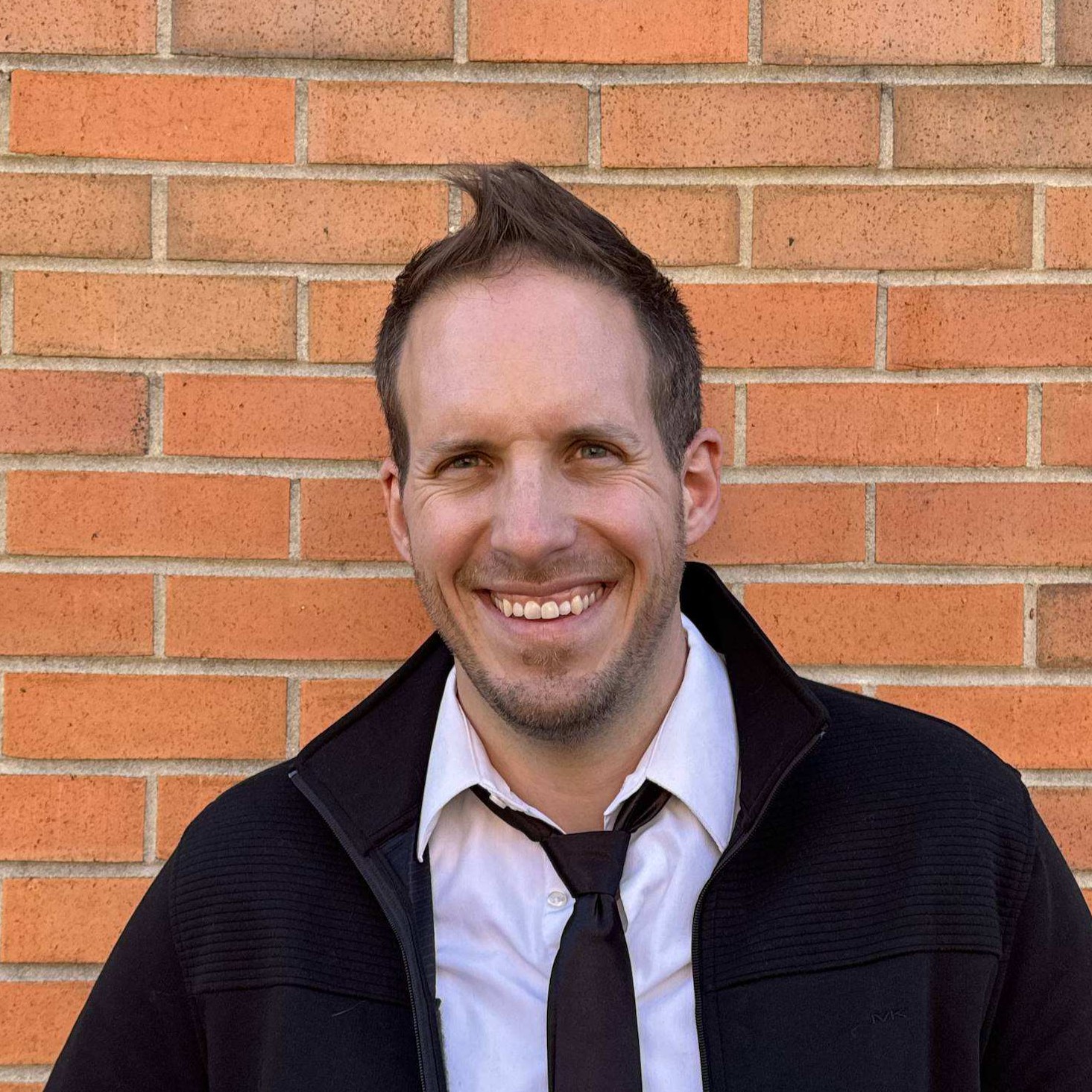
Building the Modern Band/Music Industry Program
Presenter: Kevin Longwill
As modern band and music technology become not just a new trend but the outward expectation for music educators, it can be a daunting task to determine how and where to begin. This session seeks to tackle these subjects and more, from integrating music industry strategies within traditional music coursework to developing entirely new platforms and ensembles that resemble commercial music applications.
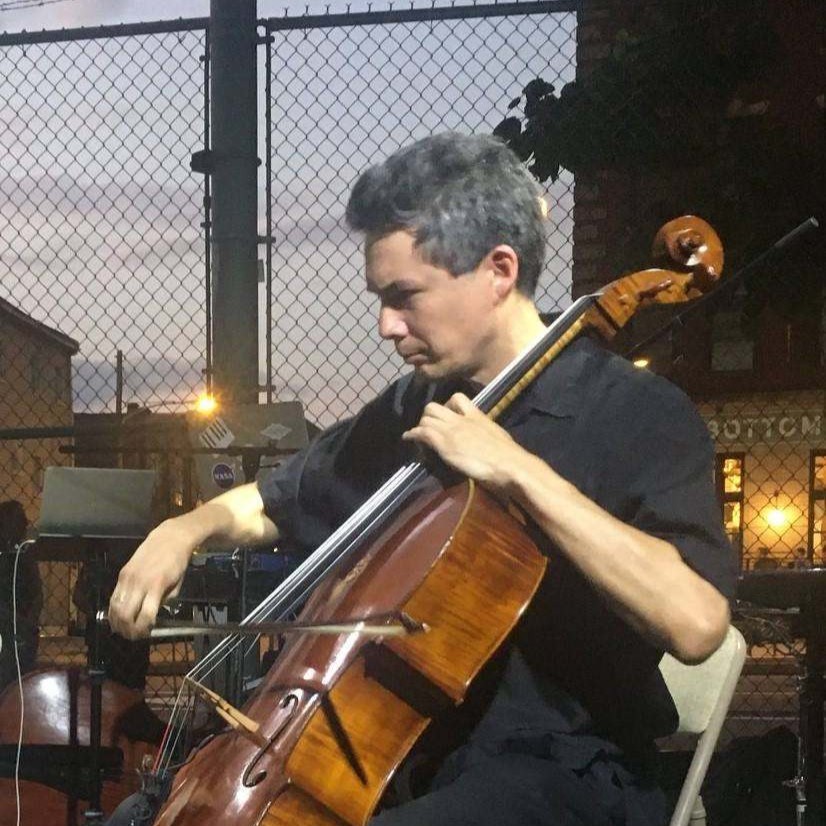
Improvisation Without Fear
Presenter: Thomas Kraines
Please bring an instrument if you can; we’ll be making music together! Musical improvisation in groups can be a transformative and profoundly educational experience, but is often approached with fear. The musical genres that we tend to associate with improvisation (such as jazz, Arabic music, or Indian music) seem to require extensive familiarity with specific traditions and techniques, so that when asked if they improvise, many musicians will respond that they don’t know how. While I believe that those traditions are rich and worthwhile, I also believe there’s a kind of group improvisation that can be achieved at almost any level of experience. My improvisation workshops tend to be geared toward pitched instruments and singers, but percussionists can certainly participate. Starting from a pattern that everyone is familiar with, usually a major scale, we gradually expand outward into harmonies, polyrhythms, the use of silence and extended techniques, all emerging from individual choices made at the moment, until – sometimes before they realize it – the students are playing new, and often very convincing, collectively-composed pieces of music. Listening is the key requirement for this kind of music-making, and the development of listening skills is its primary benefit (besides the joy of collaboration and creation, which is, of course, significant!). Even if the students have no interest in pursuing improvisation further in their musical lives, the ability to match a pitch or rhythm, cue together, wordlessly indicate a musical intent, and of course, to listen, will be invaluable in any musical (and many non-musical) activities they choose to do. In this workshop, we’ll go through some of the exercises that have worked for me in the past getting various levels of students to improvise together.
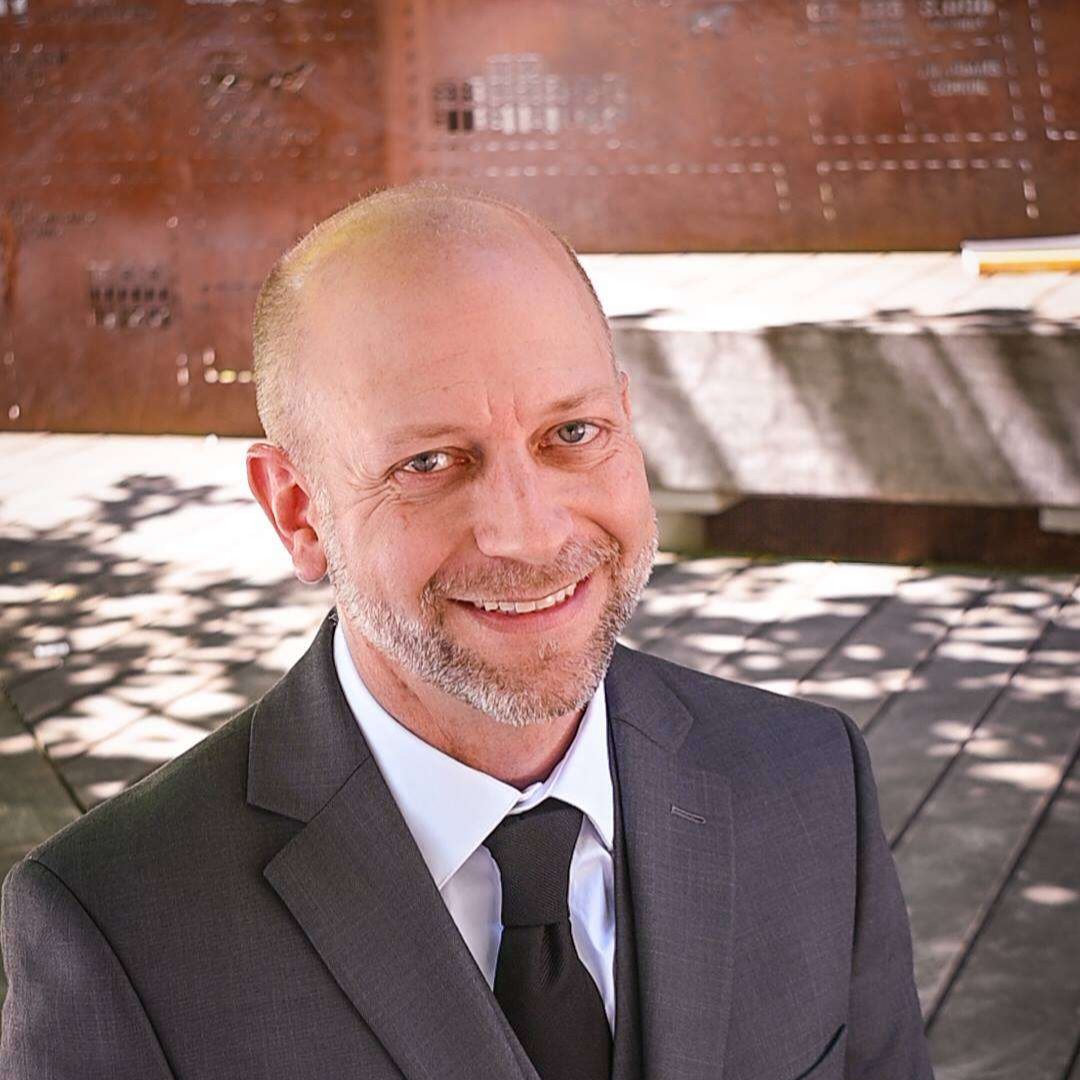
Lead With Your Voice: Rehearsal Techniques for Choral Ensembles
Presenter: Nathan Wadley
Nathan Wadley of Philadelphia Youth Choral Ensembles offers voice-centered activities and exercises, useful for a variety of ages and skill levels. We begin with custom warm-ups to reinforce vocal technique and connect directly with your repertoire. Then, explore simple body percussion patterns that can stand alone or be incorporated into performance. Finally, ideas for songs that can be repurposed across different levels and ages, utilizing unison singing, ostinato, and improvisation.