Virtual Shared Professional Development Day 2026
Philadelphia Music Education Collaborative thanks you for joining our Virtual Shared Professional Development Day.
This free, online event features interactive sessions designed for Philadelphia region arts educators. Scroll below for more details on each session.
Check back for more information on the next Shared Professional Development Day!
Date: Friday, May 8, 2026
Location: Zoom (Register for link)
SCHEDULE
12:15 – 1:15 p.m. Session 1
1:15 – 1:30 p.m. Break
1:30 – 2:30 p.m. Session 2
Lead support for this project is provided by the
—- Sessions —-
Participants will register for two sessions and receive links a few days prior to the event.
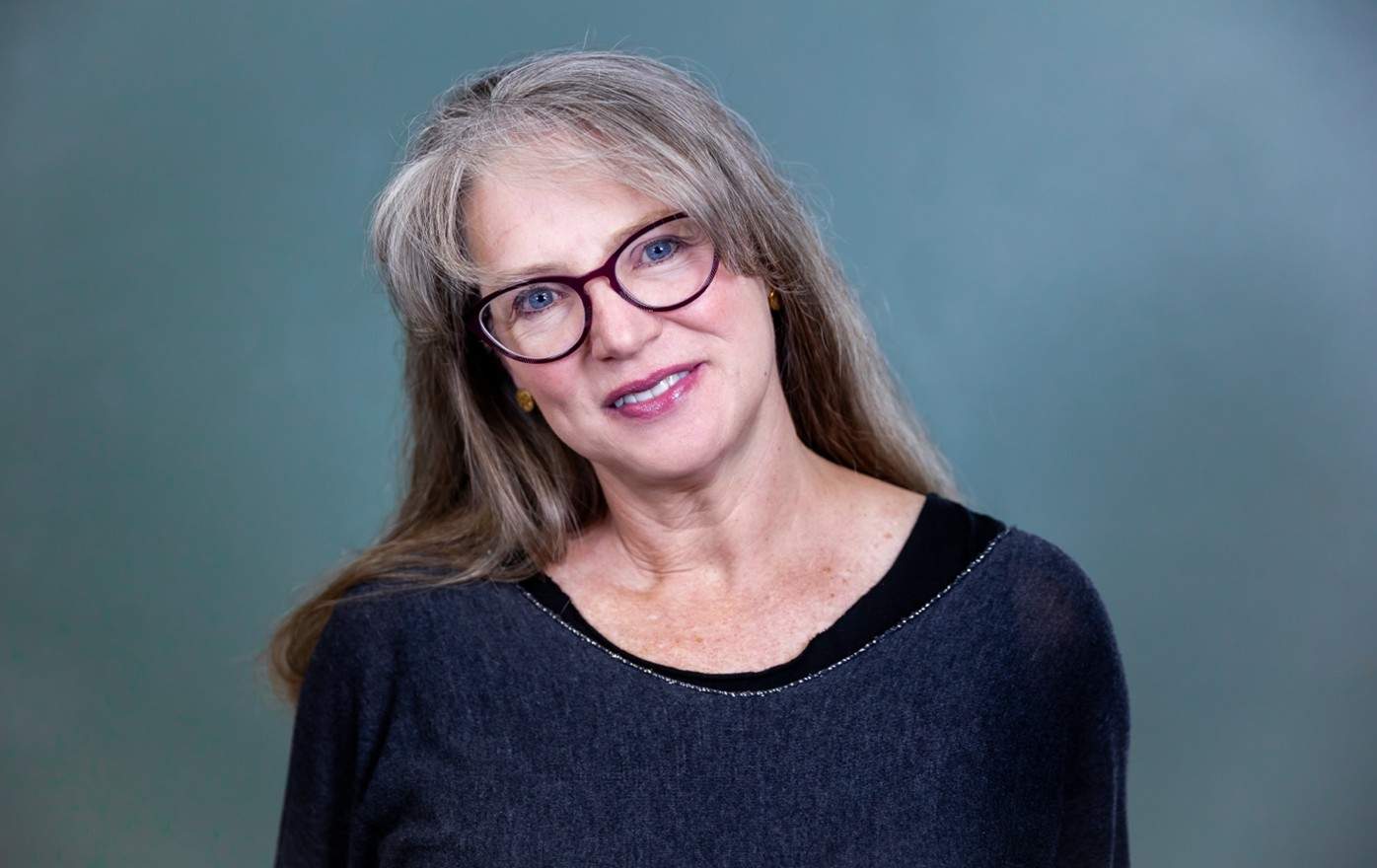
Having a Wonderful Idea
Presenter: Dr. Judith Hill Bose
Oftentimes, as music educators, we imagine fostering creativity in the studio or classroom in terms of designing cool and innovative activities. While that is certainly part of our work, creativity is fundamentally about making choices – choices that are not prescribed or dictated – choices that come out of having wonderful ideas. With a nod to Eleanor Duckworth’s classic on teaching and learning, The Having of Wonderful Ideas, Judy will share concrete tips and strategies for inspiring students to think creatively for themselves, make authentic musical choices and experience the power of both having an original musical idea and following it.
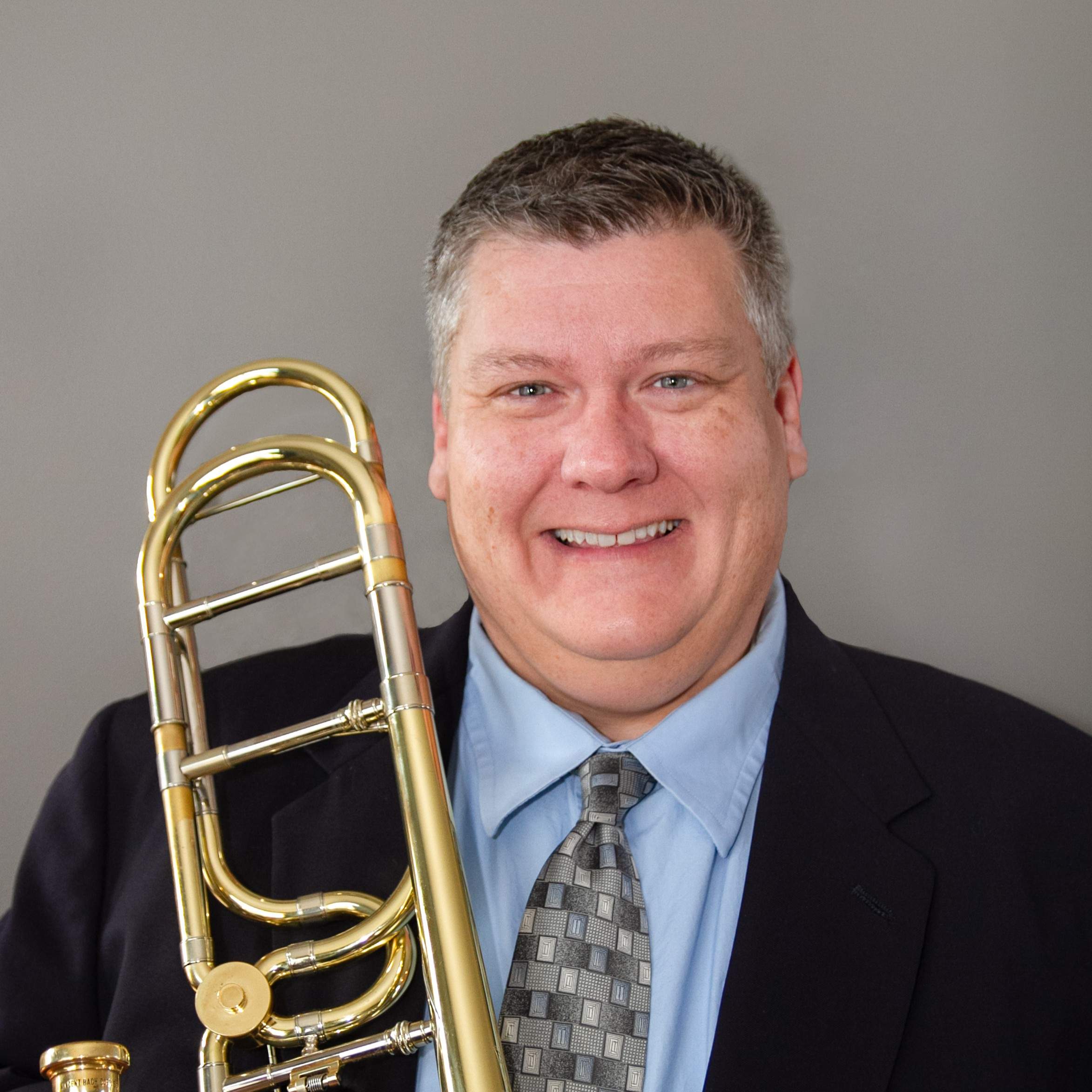
Building Studio Culture
Presenter: Timothy Riordan
In this session, Timothy Riordan will share stories and insights from his 25 years of teaching middle and high school trombone and brass students at the Merit School of Music in Chicago. Tim will focus on creating a vibrant private teaching studio in a community music school, and will explore strategies for student recruitment and retention, community building, and developing studio culture. Tim will discuss his internationally known student trombone ensemble, The Bone Rangers, and how coaching brass chamber music has contributed to the success of his private studio. In addition to his teaching, Tim has held the roles of Artistic Director, Chamber Music Program Director, and Director of the Preparatory Program at Merit, and he brings a unique insight to both the administrative and teaching sides of working at a community music school. With Tim’s notorious sense of humor, this is sure to be an engaging and joyful look at a life spent teaching music.
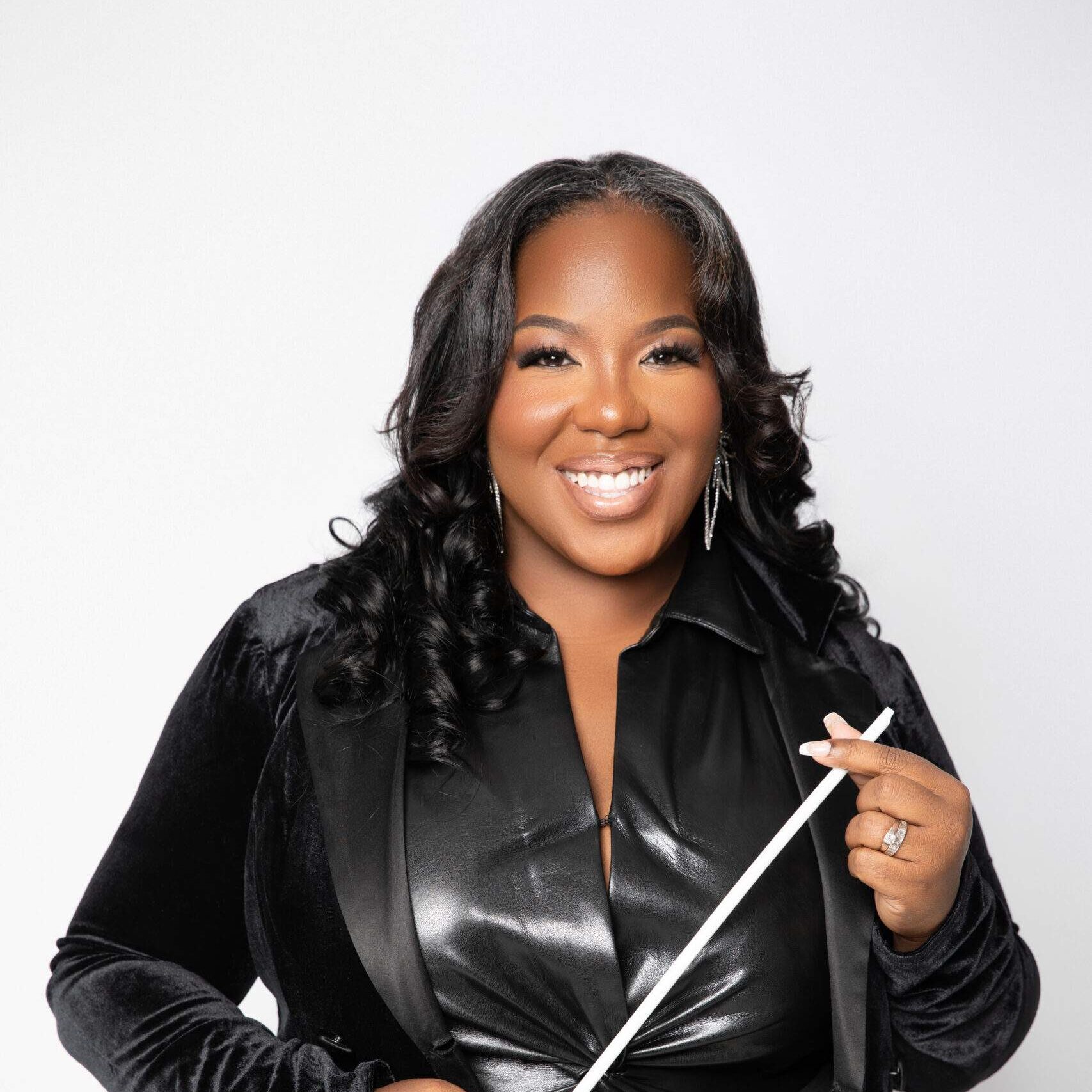
What The Font? Teaching Vocal Tone Through Character
Presenter: Maria A. Ellis
In this session, I introduce my “FONT Method,” a practical approach to teaching tone, intonation, and style by helping students visualize sound. Today’s students are used to expressing meaning through visual choices like fonts in their writing and social media, and this approach meets them in a language they already understand. I begin with the character of the song, because that determines everything. From there, we explore style and context, and define the sound through vowel shape, whether it needs to be tall or wide. Once that foundation is set, we apply “fonts” to unify tone, intonation, and style. When the sound is not aligned, we don’t just say it’s wrong. We identify what “font” we are hearing and what “font” we actually need, allowing students to make quick adjustments and take ownership of their sound.
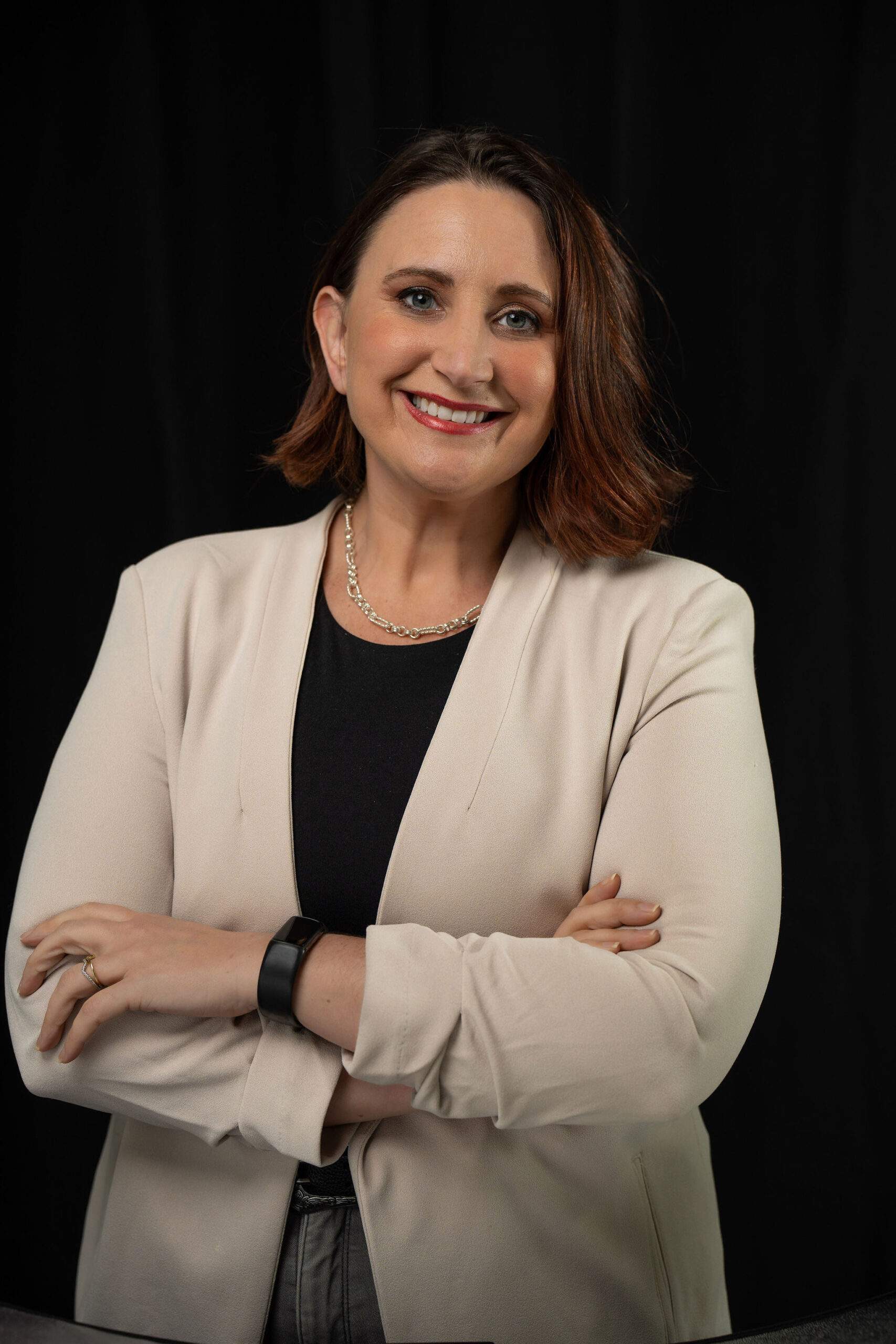
Creative Aging Is Healthy Aging
Presenter: Liza Cucco
Curious about how creative aging strengthens health and community well-being? This is the perfect place to start! This engaging session offers a clear, inspiring introduction to creative aging—and demonstrates how it supports health, social connection, and more livable communities. Join us for this simple, high-impact learning experience and build shared language, alignment, and momentum you can immediately put into action.
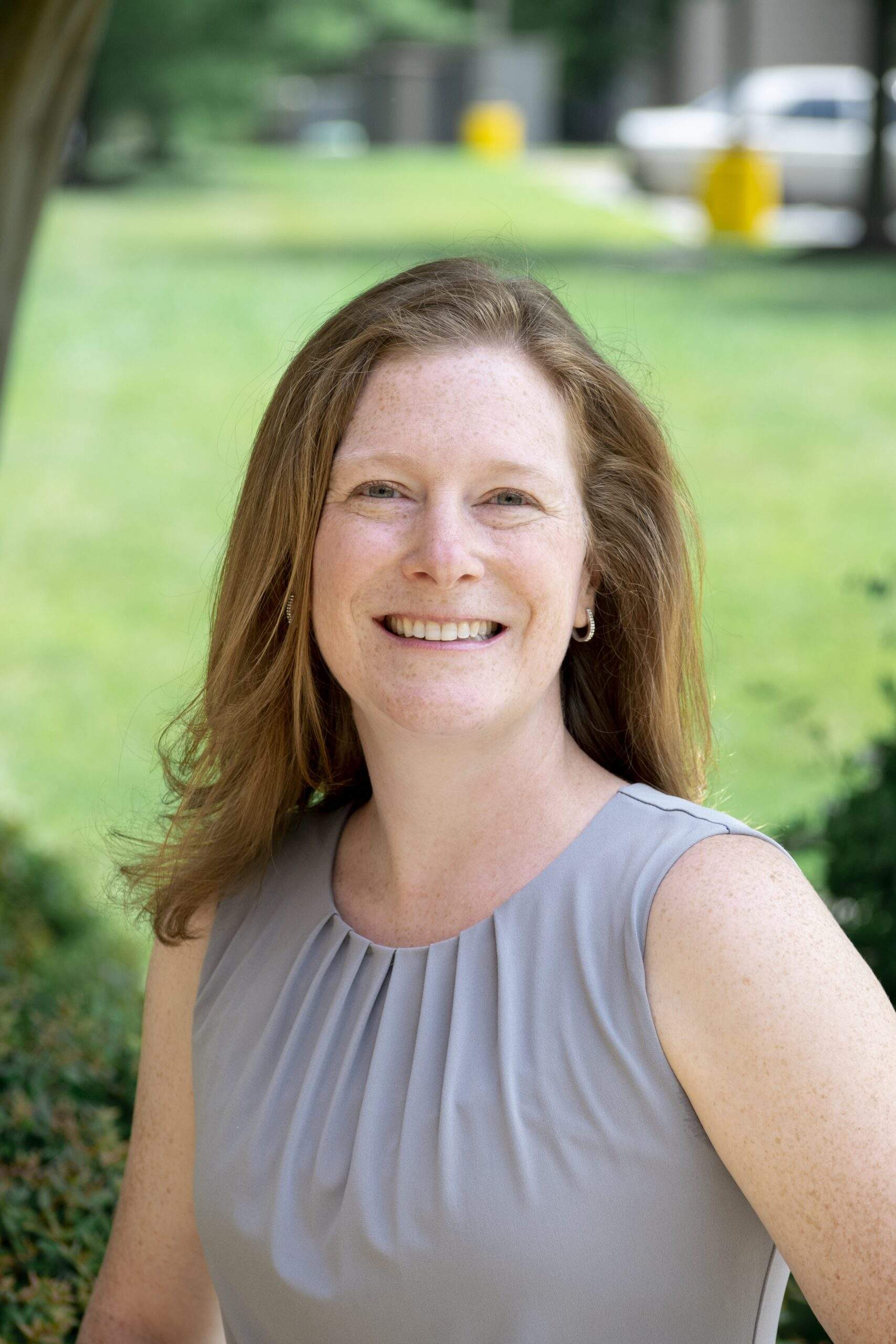
From Conductor to Collaborator: Elevating Student Voice and Choice in Ensemble Setting
Presenter: Dr. Theresa Hoover
In the ensemble paradigm, rehearsals can feel one-sided, with some students merely following instructions and others disengaged. But what if you could transform rehearsals into collaborative, student-driven experiences? When students have a voice in the rehearsal, their thoughts are heard and valued in the ensemble. When students have choices, they are more intrinsically motivated to learn. By intentionally providing opportunities for student voice and choice during rehearsals, you’ll notice not only increased engagement, but a surge in musical creativity and passion. Students move from being participants to contributors. In this session, you’ll discover how to make small shifts in your rehearsals to create a more collaborative music-making environment. Learn specific strategies to encourage voice and choice so students can have ownership, leading them on the path to lifelong musicianship. You’ll leave this session with practical applications to begin using in your rehearsals tomorrow!
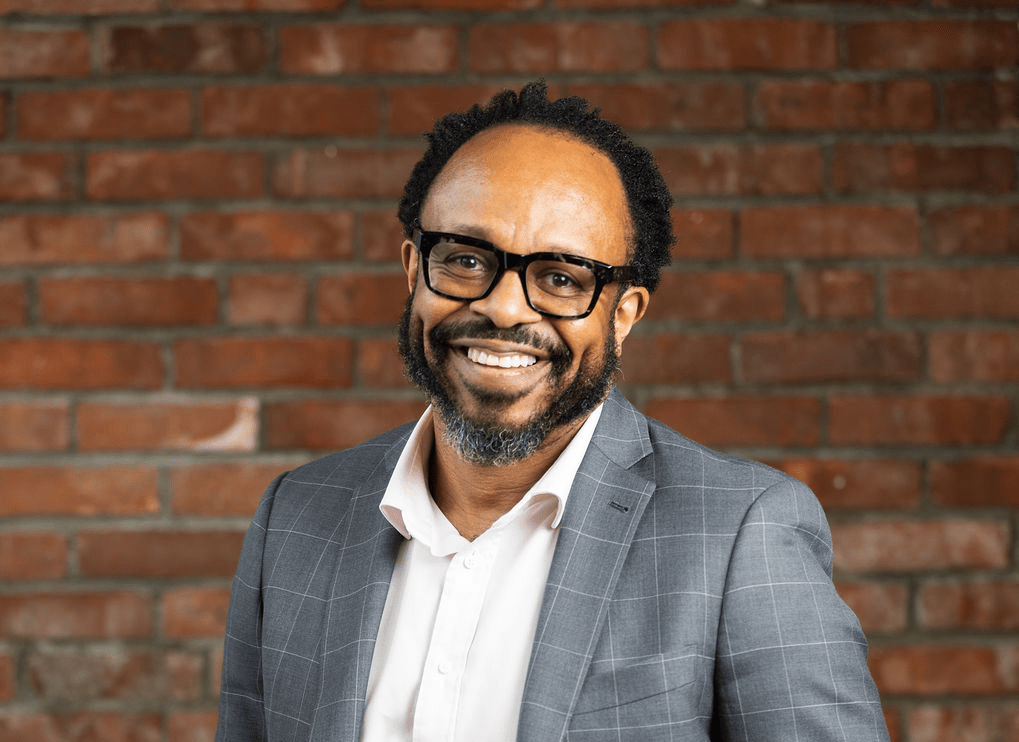
Reenvisioning the Why for Music Education
Presenter: Lecolion Washington
As educators, class learning objectives are always top of our mind. These learning objectives are included in lesson plans, displayed publicly, and shared with students and families via our syllabi. Although we have class objectives, we all know that some of our most meaningful successes are in supporting individual students as they navigate their individual objectives. It is this detailed work that often feels overlooked. In this session, we will look at pathways rooted in peer-reviewed research to discuss how we can create more clarity and transparency around the individualized work that we are navigating with our music students.
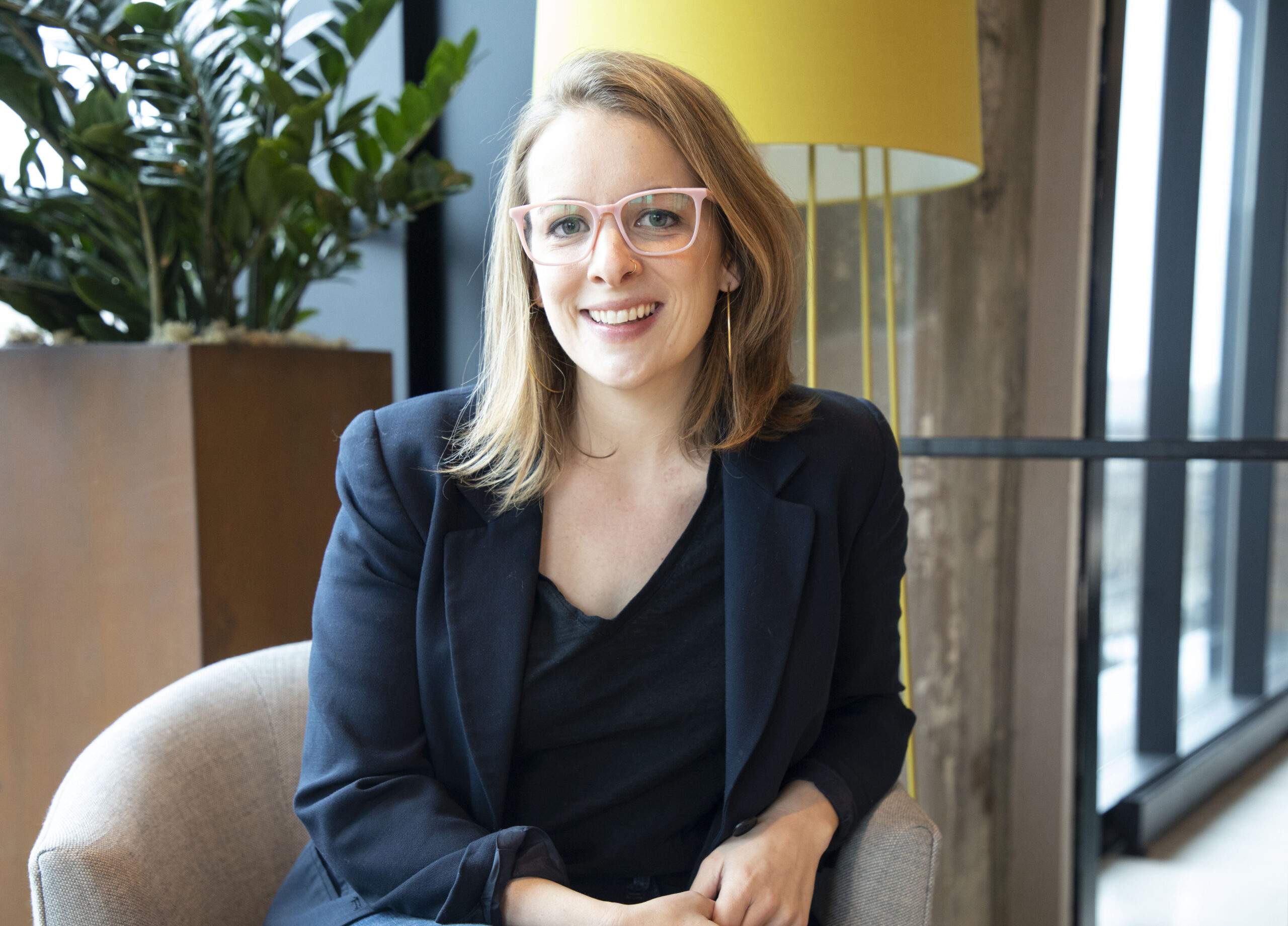
From Creativity to Connection: A Student-First Approach to Music Teaching
Presenter: Dr. Sarah Gulish
This session explores how creativity can serve as a powerful tool for building meaningful relationships in the music classroom while deepening students’ musicianship. Through practical strategies in songwriting, improvisation, and collaborative music-making, participants will learn how to foster connection, engagement, and musical independence. This work is intended to strengthen the teacher-student relationship and center the student’s originality and musical growth. Tailored to one-to-one lesson teaching but applicable to any music educator, this session provides participants with actionable tools to transform their teaching.
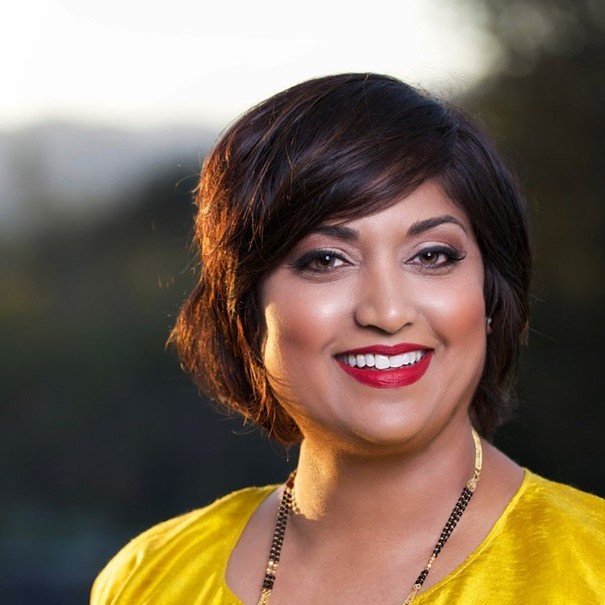
When Students Feel Seen, They Lead: Arts Integration for Belonging, Voice, and Family Connection
Presenter: Dr. Ivonne Chand O’Neal
What happens when students see their culture, creativity, and ideas reflected in the classroom? In this energizing online session, nationally recognized arts-impact researcher Ivonne Chand O’Neal, PhD, will show elementary teachers how arts integration can elevate student voice, deepen belonging, and spark stronger family engagement. Drawing from her research on student belonging and real-world work with school communities—including one where mariachi grew into a powerful point of student pride and family participation—Dr. Chand O’Neal will share practical ways teachers can use music, visual art, storytelling, movement, and culturally responsive creative practices to help students feel seen, heard, and connected. Inspired by her 2026 National ESEA Conference session, “Igniting Student Voice: Arts Strategies to Empower Title I and English Learner Classrooms,” this professional development experience is designed for teachers who want strategies they can use immediately, even without being arts specialists. Participants will leave with fresh ideas for building inclusive classrooms where students do more than participate—they lead, express, connect, and belong.
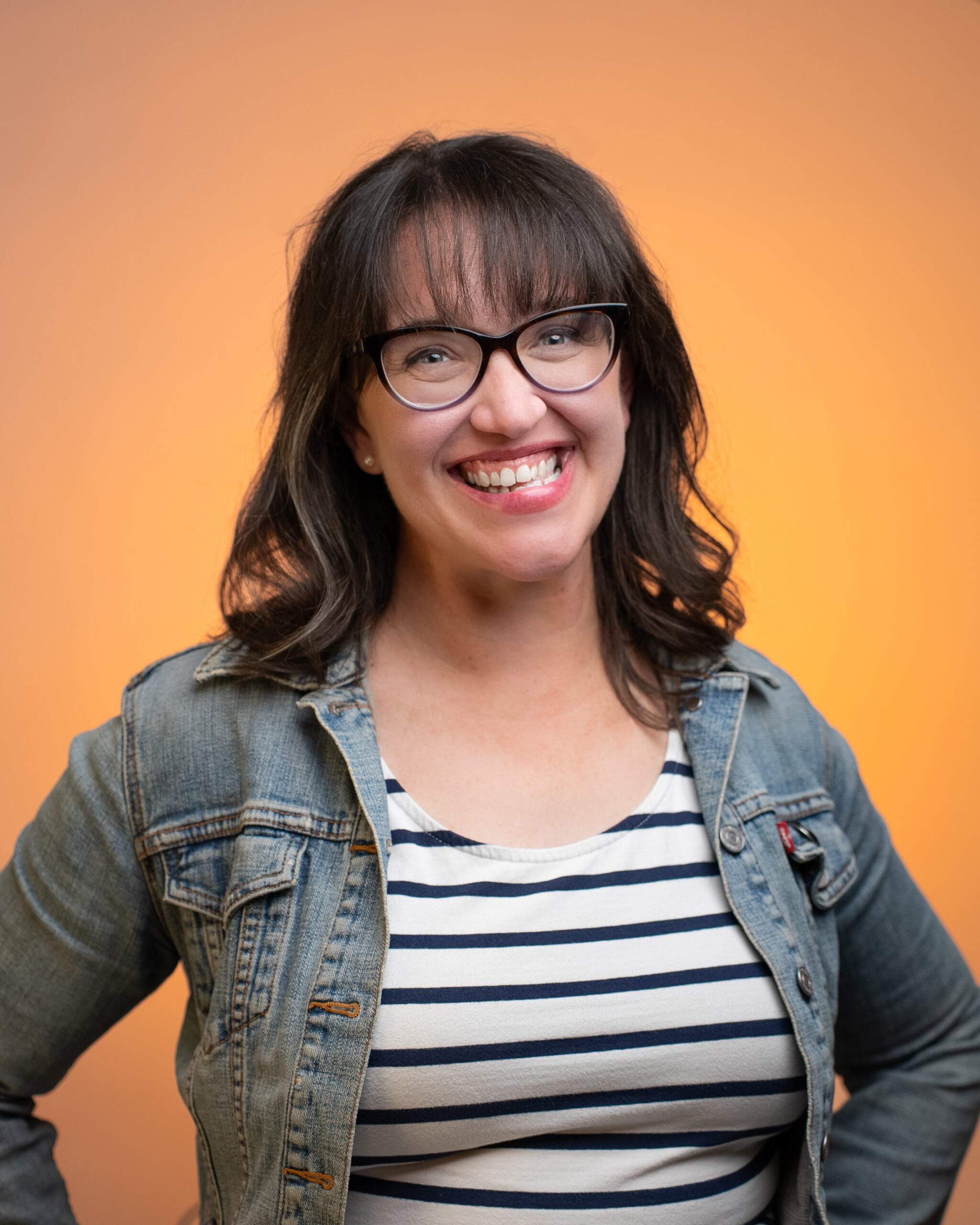
Teaching for Exceptionalities is Teaching for Everyone: Universal Design for Learning, Connected Learning, and Reaching Every Student
Presenter: Emily Langerholc
Considering the specific needs of a student helps everyone. While accommodations are a cornerstone of modern public schools, considering the needs of your students helps everyone in the learning environment. Beyond accommodations prescribed for specific students, there are larger-scale theories that outline how to invite every student into a learning environment, including the consideration of interests, needs, and opportunities, as well as multiple means of representation, expression, and engagement. In this session, we will consider a number of learning environments — from the traditional general music classroom to private instrumental lessons — and discuss how the theories of Universal Design for Learning and the Connected Learning Framework can help teachers and students to co-create learning and stay engaged at the highest levels.
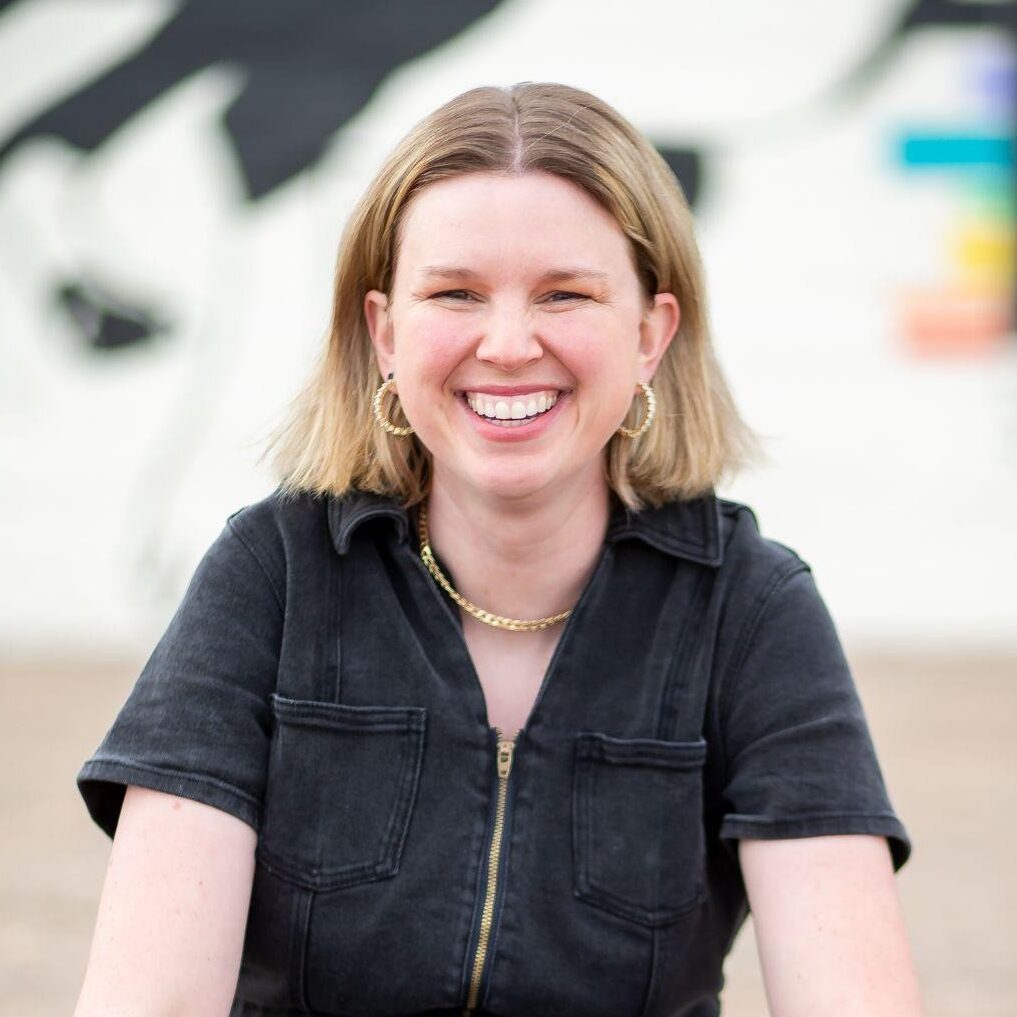
From Covers To Creation
Presenter: Mary Claxton
In this hands-on session, we will use songs we know and love as a jumping-off point for music creation and self-expression. Attendees will explore chord progressions, drum beats, and lyric activities and will depart with a multitude of free resources to integrate into their classrooms.
—–
Philadelphia Music Education Collaborative invites you to join us for our Virtual Shared Professional Development Day.
Date: Friday, May 8, 2026
Location: Zoom (Register for link)
Registration for this event will be closed on Thursday, May 7
School District of Philadelphia teachers who have not yet registered will be sent out a separate communication Friday morning about registration.